
cement process dry technology manufacturer Grasping strong production capability, advanced research strength and excellent service, Shanghai cement process dry technology supplier create the value and bring values to all of customers.
 WhatsApp)
Feb 24 2020· Grinding is the next step in the cement manufacturing process and it can occur in either wet or dry forms Wet grinding involves combining all of the materials in a mill with water and grinding it into slurry In contrast dry grinding processes combine and grind the materials without water creating a substance known as kiln feed
Curing of concrete is defined as providing adequate moisture temperature and time to allow the concrete to achieve the desired properties for its intended use This would mean maintaining a relative humidity in the concrete of greater than 80 percent a temperature greater than 50 degrees Fahrenheit and for a time typically ranging from three to 14 days depending on the specific application
Cement kilns are used for the pyroprocessing stage of manufacture of Portland and other types of hydraulic cement in which calcium carbonate reacts with silicabearing minerals to form a mixture of calcium a billion tonnes of cement are made per year and cement kilns are the heart of this production process their capacity usually defines the capacity of the cement plant
However in Europe today''s new cement plants are all based on the dry process as the wet process requires approximately 56 to 66 more energy For dry processes current stateoftheart technologies are kiln systems with
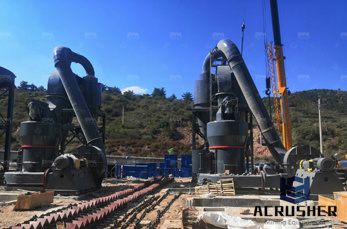
cement process dry technology rotary kiln Dry semidry semiwet and wet processes are the four main process routes that are used for the production of cement Dry processes are considerably more energy efficient but the choice of technology mainly depends on the state of raw materials Cement Kiln CoProcessing High Temperature Treatment
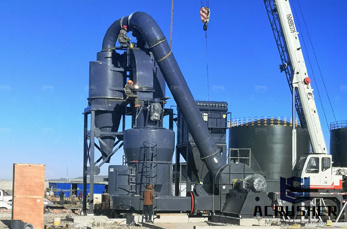
manufacturing of cement In cement Manufacture of cement as the wet dry and semidry processes and are so termed when the raw materials are ground wet and fed to the kiln as a slurry ground dry and fed as a dry powder or ground dry and then moistened to form nodules that are fed to the kiln
Compressive strength of concrete cured and maintained at 50 degrees Fahrenheit is expected to gain strength half as quickly as concrete cured at 73 degrees Fahrenheit In hot weather curing and protection are critical due to rapid moisture loss from fresh concrete
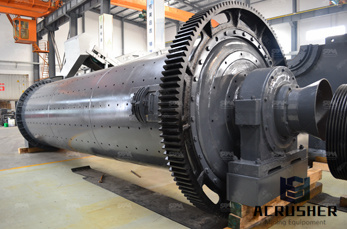
cement process dry technology rotary kiln New Technology Cement kiln Introduction Rotary Kiln refers to rotating calcination kiln belongs to construction material equipmentA new plant at Weston near Oamaru would use dry process technology to produce cement rotary kilncement kilndry and wet types rotary kilnwet process
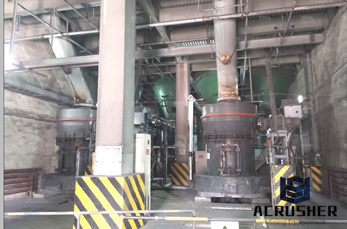
Sep 24 2018· Dry process of cement manufacturing is the process where the raw materials are not washed by water and dried raw materials are grinded to make powder and then heated up to make cement But in the wet process of cement manufacturing Raw Materials are washed and then grinded and mixed with limestone And then heated up in the cement kiln
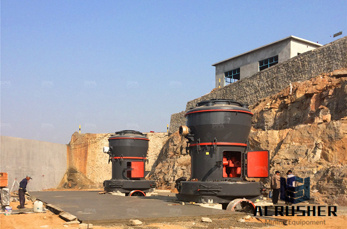
Jun 10 2014· Types of Cement Processes • Wet Process • Dry Process 74 of cement produced • PreheaterPrecalciner Process Evolution of the cement Process • Wet process easiest to control chemistry better for moist raw materials • Wet process high fuel requirements fuel needed to evaporate 30 slurry water
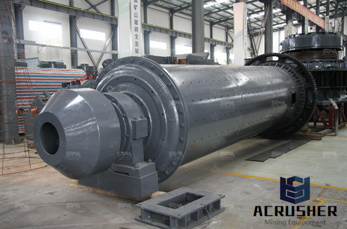
However the traditional dry desulfurization technology of cement kiln is affected by temperature desulfurizer pore structure flue gas CO2 concentration reaction time and other factors resulting in low desulfurization this paper a cement kiln raw thermal efficient desulfurization technology it on the basis of the principle of dry desulfurization via strengthening the desulfurization reaction
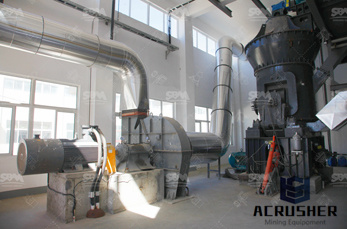
Thorough mixing of the dry materials in the silos is ensured by agitation and vigorous circulation induced by compressed air In the wet process the slurry tanks are stirred by mechanical means or compressed air or both The slurry which contains 35 to 45 percent water is sometimes filtered
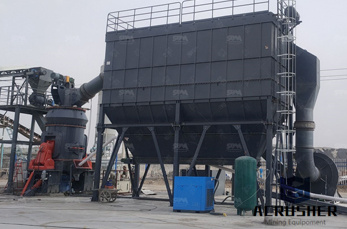
However new cement kilns are of the dry process type Cement kiln Wikipedia the free encyclopedia 1 The manufacture of cement clinker 2 Early history 3 The rotary kiln 4 The wet of emissions refer to modern kiln plants based on dry process technology Wet process rotary cement kilns modeling and simulation Springer
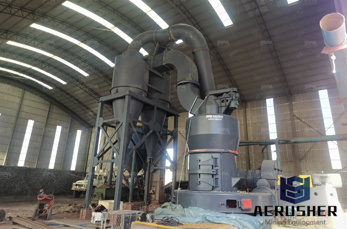
Methods of Manufacturing Process of Cement At present Portland Cement is manufactured by two processes Dry Process and Wet Process The main difference between these two methods of manufacturing of cement is that in the dry process calcareous and argillaceous raw materials are fed into the burning kilns in a perfectly dry state
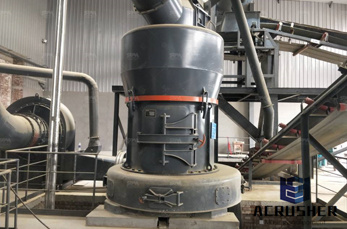
Dry process The raw materials are crushed and fed in the correct proportions into a grinding mill where they are dried and reduced in size to a fine powder The dry powder called raw meal is then pumped to a blending silo and final adjustment is now made in the proportions of the materials required for the manufacture of cement
For new cement plants our process expertise and product portfolio deliver plants with the minimum environmental footprint And what is good for the environment can also be good for profitability as energy efficiency coincides with minimising the cost of fuel and power
One technology not mentioned in the PCA report but discussed in the Babcock and Wilcox paper is circulating dry scrubbers EPA refers to this technology as a circulating fluidized bed absorber CFBA The PCA report did not mention this technology probably because of its newness and lack of exposure in the cement industry
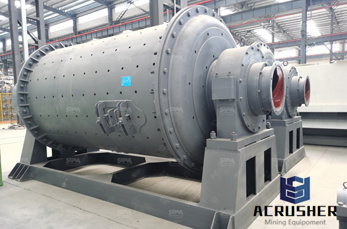
Most new cement plant is of this type The principle is similar to that of the dry process preheater system but with the major addition of another burner or precalciner With the additional heat about 8595 of the meal is decarbonated before it enters the kiln Basic principle of a precalciner cement kiln
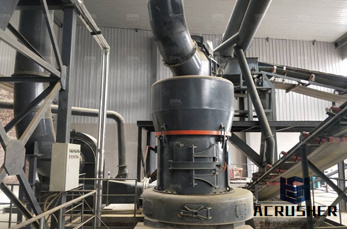
Aug 30 2012· Cement Manufacturing Process Phase 1 Raw Material Extraction Cement uses raw materials that cover calcium silicon iron and aluminum Such raw materials are limestone clay and sand Limestone is for calcium It is combined with much smaller proportions of sand and clay Sand clay fulfill the need of silicon iron and aluminum
Oct 29 2019· The cement manufacturing process involves several key steps including preparing the raw materials grinding the materials together heating the newly formed clinker in a kiln and finishing the cement with fine grinding Some of the main ingredients used to make cement include limestone clay shale iron and sand Different manufacturing techniques will use either wet or dry grinding but each cement manufacturing process
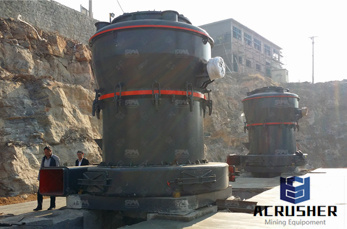
Cement manufacturing components of a cement plant This page and the linked pages below summarize the cement manufacturing process from the perspective of the individual components of a cement plant the kiln the cement mill etc For information on materials including reactions in the kiln see the Clinker pages
WhatsApp)
 Online Chat
 Sales Hotline